Explore the February Issue: |
|
|
|
|
|
FEATURED STORY |
Kristina is Thriving After Innovative Heart Valve Procedure at BMC Health System |
 |
|
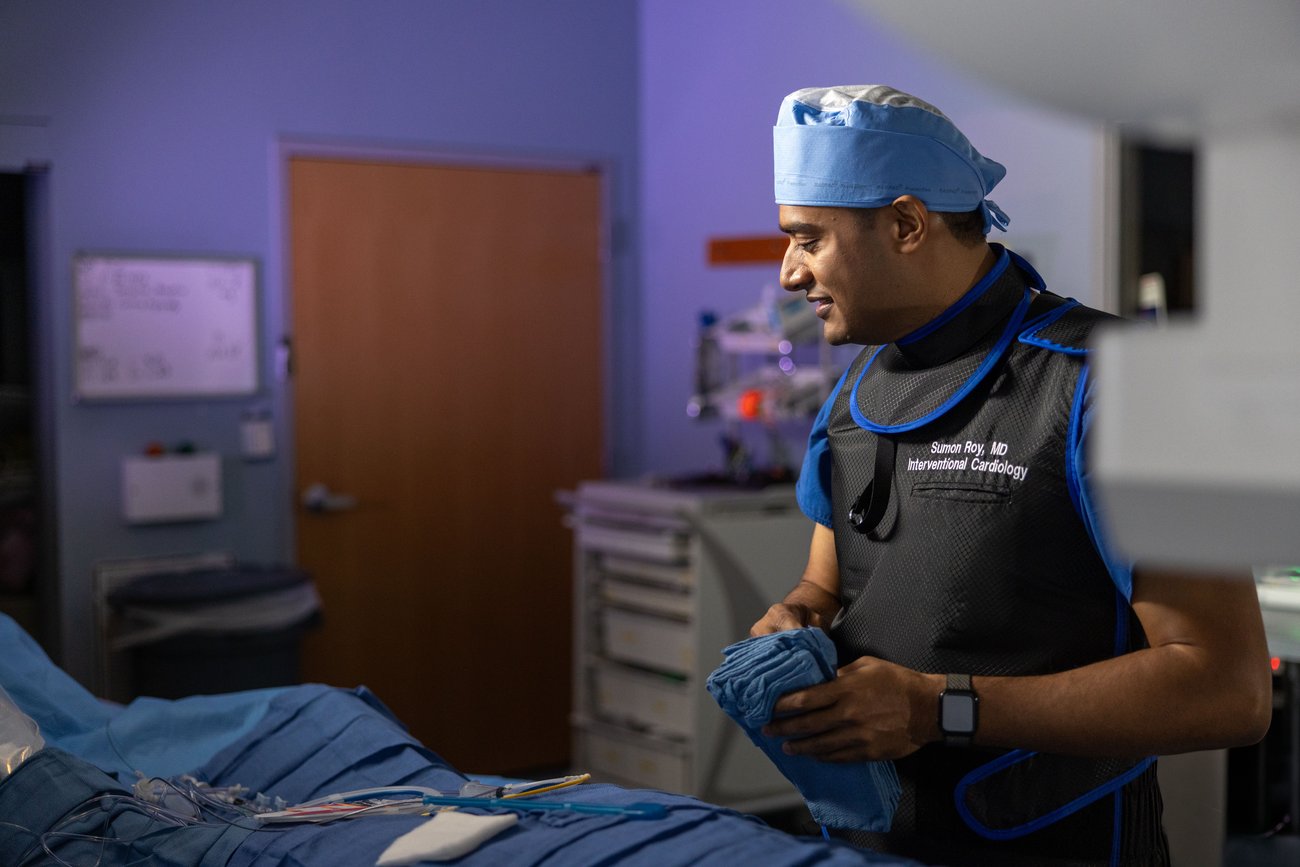
Dr. Sumon Roy, MD |
|
|
|
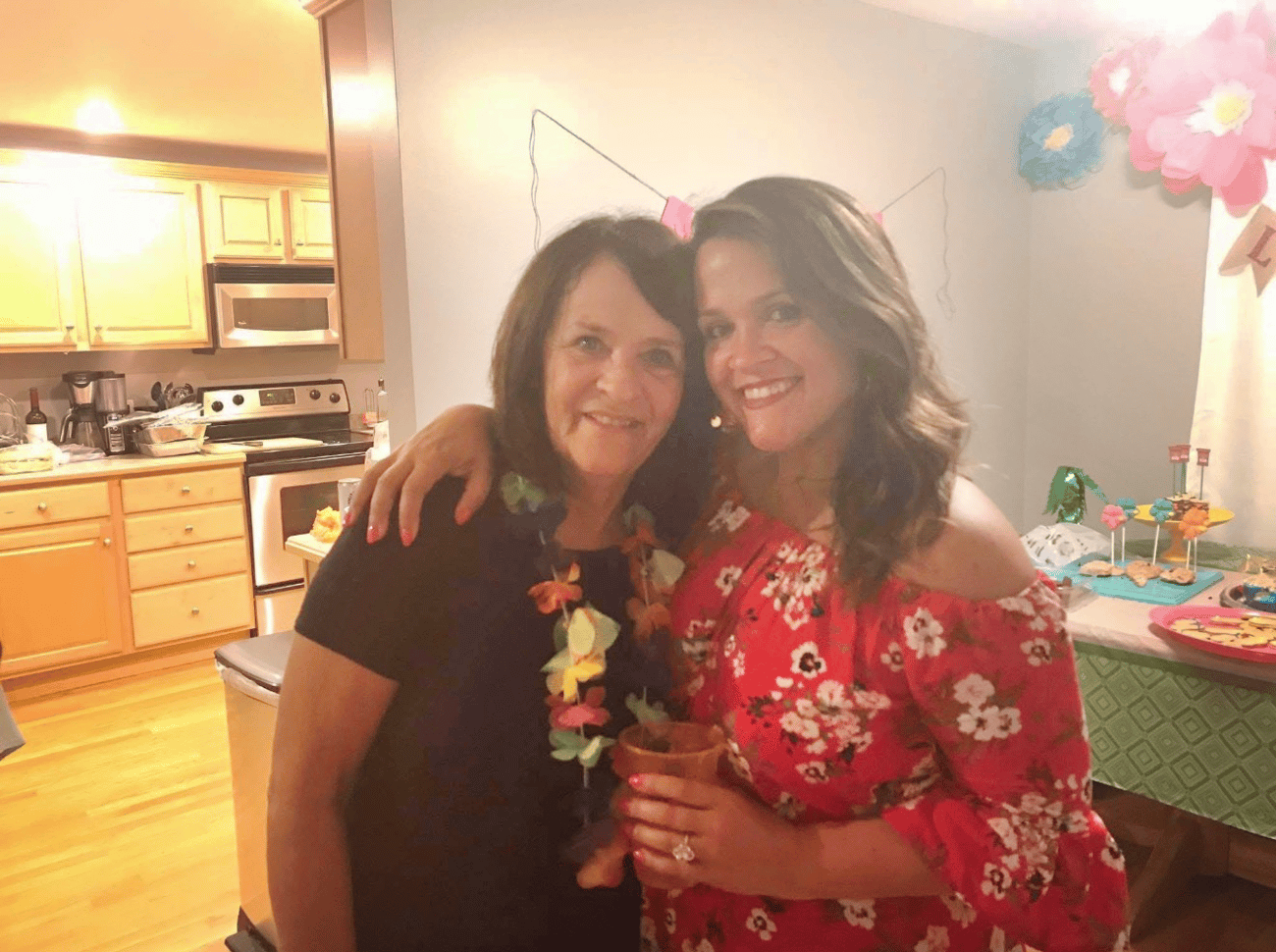
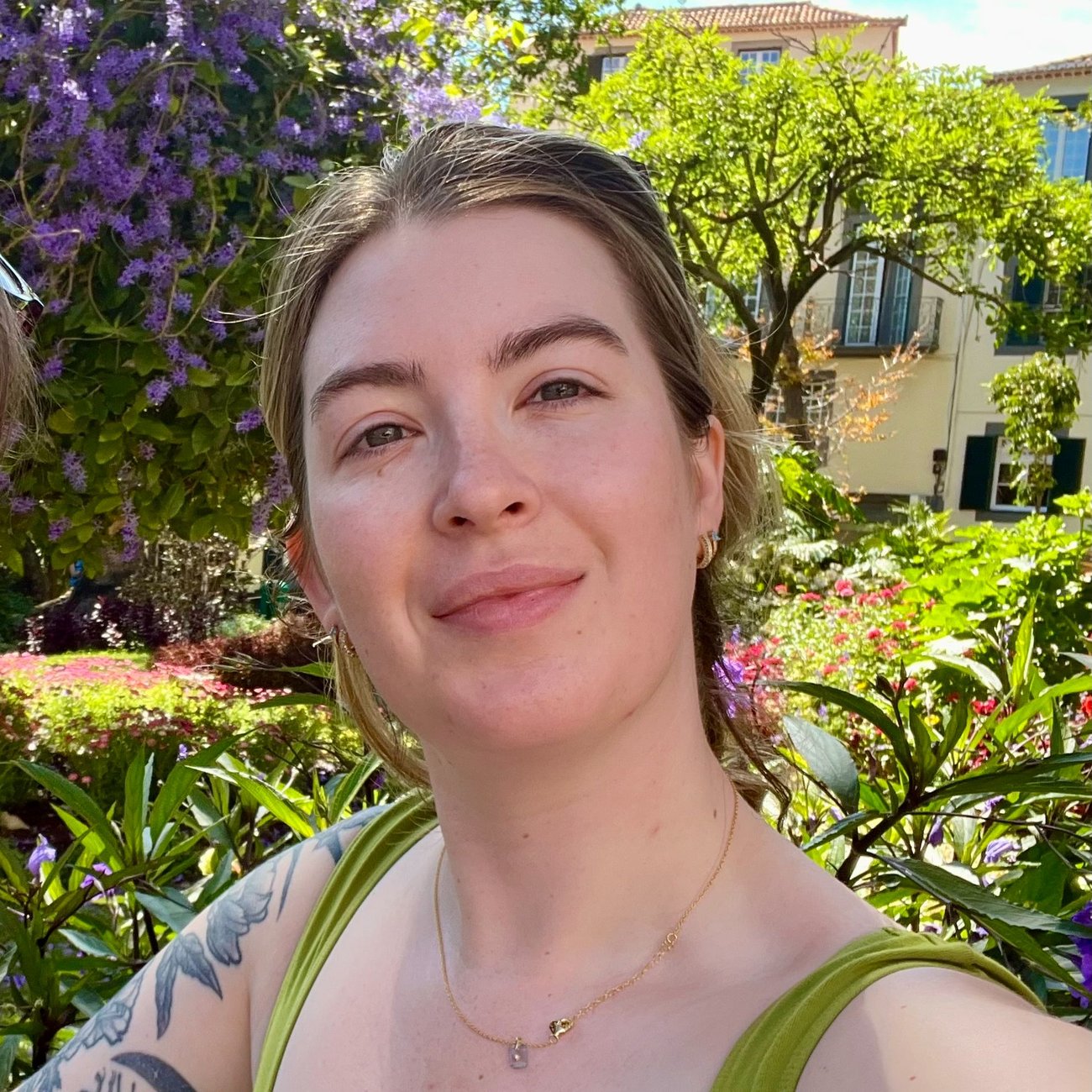
Kristina (left) and her daughter Lisa (right) |
|
A mother of six children and grandmother of 17, Kristina Mason was in great shape. So, when her blood pressure suddenly spiked in her 70s, the diagnosis that followed was unexpected. “I was a lifelong walker with perfect blood pressure and no signs of any kind of heart trouble at all. It kind of came out of the blue. But probably because I had six kids — nothing surprises you anymore!” |
|
|
|
Kristina (left) and her daughter Lisa (right) |
|
|
|
After being referred to cardiologist Dr. Sumon Roy, who practices at all three Boston Medical Center Health System hospitals, her first meeting would be the beginning of a relationship she now describes as life changing. Kristina learned she had severe aortic valve disease and would need her valve replaced. During routine testing, doctors also found two serious artery blockages.
Despite the seriousness of the findings, Kristina remained calm. “Dr. Roy is the most caring and compassionate doctor,” she says. “He told me everything — what was going to happen, what could happen, and what wouldn’t happen. I like that he’s very transparent.”
Kristina wanted to avoid open-heart surgery. Dr. Roy listened. “Instead of saying, ‘Too bad, this is what we’re doing,’ he worked through it,” says her daughter, Lisa. “He always kept her wishes in the forefront of his mind.”
Over the next several weeks, Dr. Roy performed two technically complex stent procedures at BMC South. After the stents were successfully placed, Dr. Roy recommended a minimally invasive transcatheter aortic valve replacement, or TAVR, performed through the carotid artery in the neck. The procedure had never been done at BMC Health System before via the carotid artery, but Dr. Roy had the training, the team, and the confidence to do it well.
Kristina trusted him. “He looked at me and said, ‘Of course I’ll be there, and I will be the one implanting the new valve!’” After the procedure at BMC, imaging confirmed success. “That new valve is wide open,” Kristina says proudly. “He got it in there perfectly.”
Today, she feels strong and optimistic. “There was something special about him from the minute I met him,” she says. “He listened to everything I said, and he never gave up on me.” |
| Learn More About Kristina’s Story and Her Care at BMCHS → |
|
|
|
|
|
|
Four Surprising Connections Between Your Body and Your Heart |
|
|
|
Your heart doesn’t work in isolation. It is in constant conversation and connection with the rest of your body. Understanding these connections plays an important role in protecting your heart. |
|
|
|
Connection #1: Your Mouth and Heart
Your mouth connects to your heart primarily through the bloodstream. Bacteria created by gum disease and oral infections can enter blood vessels in the mouth and travel through the body, causing chronic inflammation which is associated with higher risks of heart disease and stroke. Focus on regular dental care, including brushing and flossing, to lower your risk. |
|
|
|
Connection #2: Your Gut and Heart
The gut and heart are thought to be bidirectionally linked through the gut-heart axis, according to American Heart Association. A healthy, balanced gut microbiome helps regulate inflammation, cholesterol metabolism, and blood sugar levels. When the balance is disrupted, it can contribute to inflammation and metabolic changes that increase cardiovascular risk. Eating a fiber-rich diet, staying hydrated, and limiting ultra-processed foods supports both gut and heart health. |
|
|
|
Connection #3: Your Ear, Nose, and Throat (ENT) and Heart
ENT health matters too, as these body parts are connected to the heart through the circulatory system and the vagus nerve. Chronic sinus infections, untreated hearing loss, and sleep-related breathing disorders such as obstructive sleep apnea can strain the heart and cause drops in oxygen levels that increase blood pressure and the risk of heart rhythm problems, heart attack, and stroke. Addressing these issues can lead to better sleep—and a healthier heart. |
|
|
|
Connection #4: Your Brain and Heart
Mental health is deeply intertwined with cardiovascular health. Anxiety and depression can raise stress hormones, blood pressure, and inflammation, and create sleep disturbances that make it harder for the heart to recover and regulate itself. Help manage your mental health by prioritizing self-care and regular physical activity. |
|
|
|
|
|
|
|
|
Four At-Home Exercises to Build a Healthy Heart |
|
|
|
Everyone thinks cardio is the way to a healthy heart, but did you know that adding weight training to your regular exercise routine can reduce your risk for cardiovascular disease (CVD) by 17%? Resistance training is shown to improve CVD risk factors such as blood pressure (BP), glycemia, lipids, and body composition.
In honor of American Heart Month, Stephanie Zombeck Le, MS, program manager and chief exercise physiologist at BMC’s Cardiac Rehabilitation Center shares 4 effective ways to incorporate strength training into your workout routine without a trip to the gym. |
|
|
|
Lie down on your back on either a bench or on the floor. Hold a weight in each hand with your palms facing away from you. Slowly lower the weights down toward your chest, then slowly press them back up.
Tip: Do not hold your breath. Breathe out as you lift the weights up, and breathe in as you lower them down. |
|
|
|
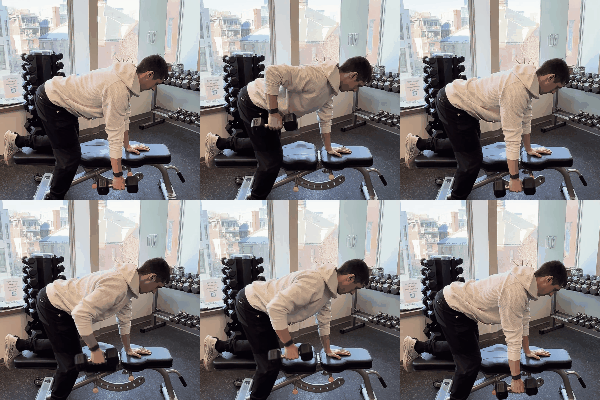
Place the same side knee and hand on a bench to form a “tabletop” formation. Hold a weight in the opposite arm. Keeping your arm straight, lift the weight up to your hip. Squeeze your shoulder blades and then lower the weight back down. Switch to the opposite side and repeat.
Tip: Keep your eyes facing down to the ground. Do not look up, it can strain your neck. |
|
|
|
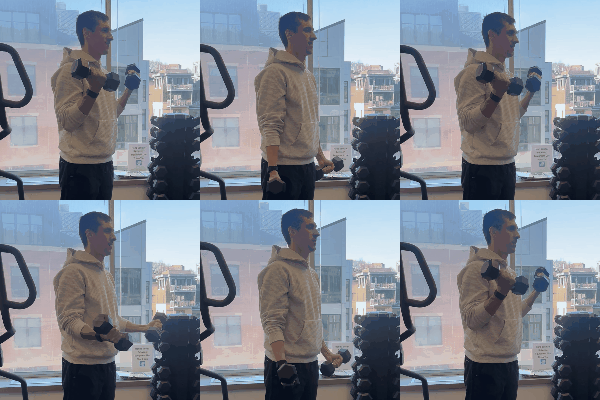
Stand with your feet shoulder-width apart. Hold a weight in each hand with your arms at your sides and your palms facing forward. Keep your upper arms close to your body. Slowly bend your elbows to lift the weights toward your shoulders, then slowly lower them back down. |
|
|
|
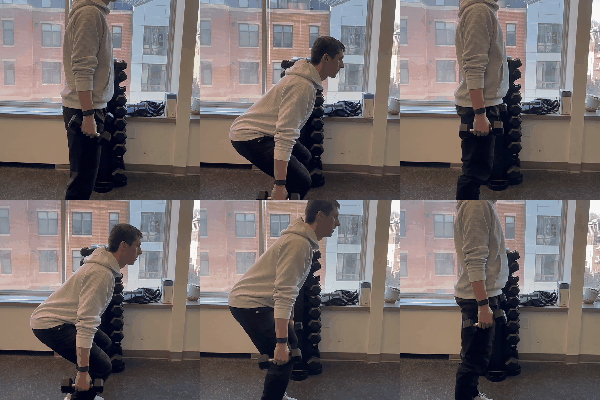
Stand with your feet shoulder-width apart and a slight bend in your knees. Slowly bend your knees and hips to lower your body, keeping your knees behind your toes. Keep your back straight and your chest up as you lower down and then return to standing.
Tip: Keep your weight in your heels, not your toes. |
|
|
|
|
|
|
|
|
Four At-Home Exercises to Build a Healthy Heart |
|
|
|
Everyone thinks cardio is the way to a healthy heart, but did you know that adding weight training to your regular exercise routine can reduce your risk for cardiovascular disease (CVD) by 17%? Resistance training is shown to improve CVD risk factors such as blood pressure (BP), glycemia, lipids, and body composition.
In honor of American Heart Month, Stephanie Zombeck Le, MS, program manager and chief exercise physiologist at BMC’s Cardiac Rehabilitation Center shares 4 effective ways to incorporate strength training into your workout routine without a trip to the gym. |
|
|
|
Lie down on your back on either a bench or on the floor. Hold a weight in each hand with your palms facing away from you. Slowly lower the weights down toward your chest, then slowly press them back up.
Tip: Do not hold your breath. Breathe out as you lift the weights up, and breathe in as you lower them down. |
|
|
|
Place the same side knee and hand on a bench to form a “tabletop” formation. Hold a weight in the opposite arm. Keeping your arm straight, lift the weight up to your hip. Squeeze your shoulder blades and then lower the weight back down. Switch to the opposite side and repeat.
Tip: Keep your eyes facing down to the ground. Do not look up, it can strain your neck. |
|
|
|
Stand with your feet shoulder-width apart. Hold a weight in each hand with your arms at your sides and your palms facing forward. Keep your upper arms close to your body. Slowly bend your elbows to lift the weights toward your shoulders, then slowly lower them back down. |
|
|
|
Stand with your feet shoulder-width apart and a slight bend in your knees. Slowly bend your knees and hips to lower your body, keeping your knees behind your toes. Keep your back straight and your chest up as you lower down and then return to standing.
Tip: Keep your weight in your heels, not your toes. |
|
|
|
|
|
|
Camille is Feeling Full of Energy After Open-Heart Surgery |
|
|
|
Nurse Camille Ames had grown up knowing she had a heart murmur. But when new symptoms appeared in late 2023, she became increasingly concerned. She reached out to her primary care physician, Dr. Kelly Schuering at Boston Medical Center, who ordered an echocardiogram.
That was when she met cardiologist Dr. Stephen Tsaur. After reviewing her results, Dr. Tsaur
|
|
|
|
explained that Camille had two congenital heart conditions she was born with, a hole between her atria and a cleft in her mitral valve. Given her active background, the diagnosis came as a shock. “I did competitive dance as a kid and crew in high school. But in retrospect, I realized there was always a point where I would just hit a wall, and I couldn’t seem to build stamina.”
Through BMC’s collaboration with Boston Children’s Hospital for congenital heart surgery, she underwent the procedure in February 2024, with Dr. Tsaur supporting her throughout recovery. “He’s really phenomenal, very supportive, and responsive,” Camille says. “Every time I see him, he’s engaged and interested in how I’m doing as a person, not just in my heart. I would absolutely recommend Dr. Tsaur to anyone who needs heart care.” |
| Read More About Camille's BMC Experience → |
|
|
|
|
Camille is Feeling Full of Energy After Open-Heart Surgery |
|
|
|
Nurse Camille Ames had grown up knowing she had a heart murmur. But when new symptoms appeared in late 2023, she became increasingly concerned. She reached out to her primary care physician, Dr. Kelly Schuering at Boston Medical Center, who ordered an echocardiogram.
That was when she met cardiologist Dr. Stephen Tsaur. After reviewing her results, Dr. Tsaur explained that Camille had two congenital heart conditions she was born with, a hole between her atria and a cleft in her mitral valve. Given her active background, the diagnosis came as a shock. “I did competitive dance as a kid and crew in high school. But in retrospect, I realized there was always a point where I would just hit a wall, and I couldn’t seem to build stamina.”
Through BMC’s collaboration with Boston Children’s Hospital for congenital heart surgery, she underwent the procedure in February 2024, with Dr. Tsaur supporting her throughout recovery. “He’s really phenomenal, very supportive, and responsive,” Camille says. “Every time I see him, he’s engaged and interested in how I’m doing as a person, not just in my heart. I would absolutely recommend Dr. Tsaur to anyone who needs heart care.” |
|
|
|
|
|
|
|
|
Together for Hope 2026: Strength in Community. Resilience in Recovery
|
|
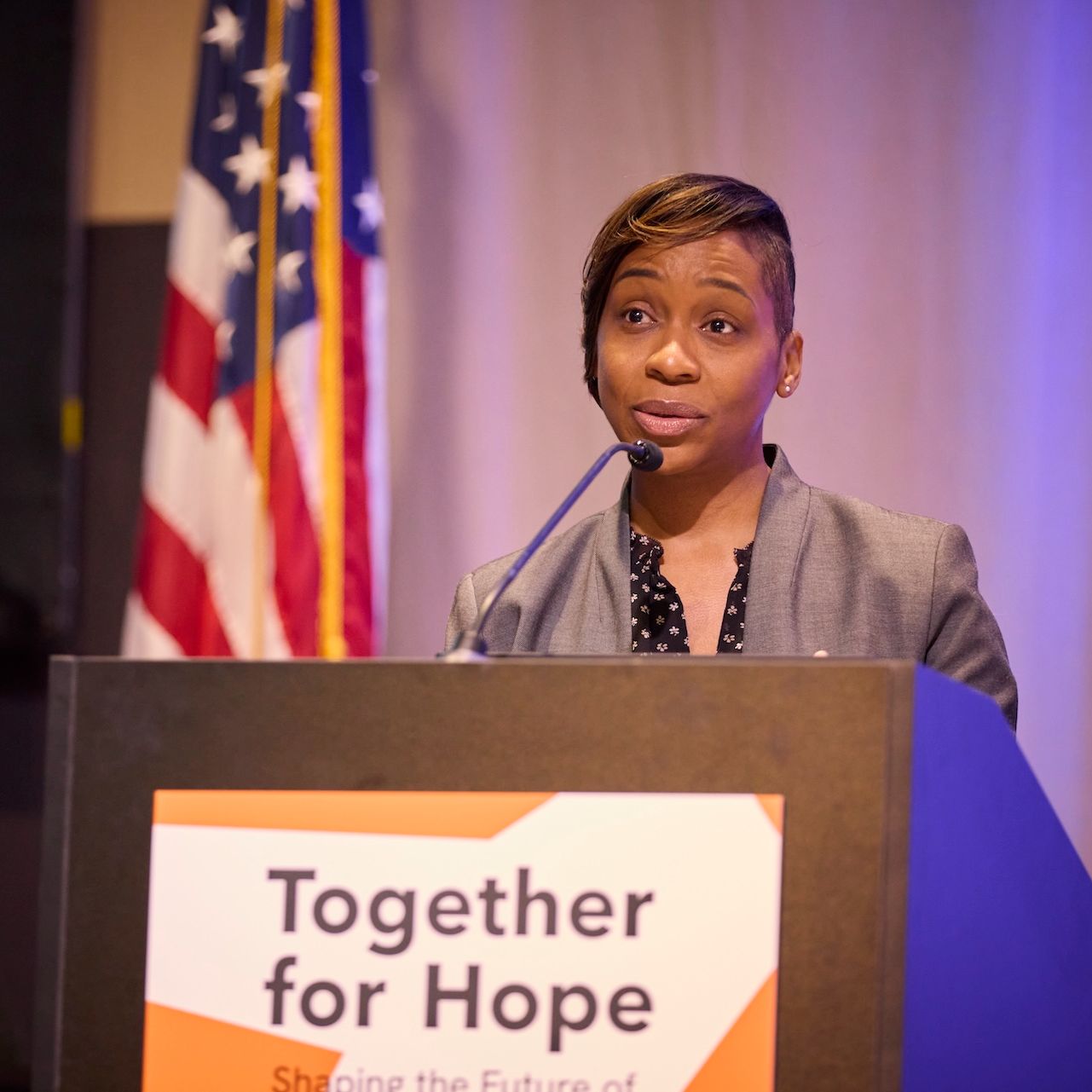
Join us this spring for Together for Hope 2026, a Massachusetts-wide gathering focused on connection, perseverance, and progress in addiction care. Taking place April 29–30, 2026, at the Hynes Convention Center in Boston, this two-day event will bring together leading addiction experts and advocates from across the state.
Together for Hope is built on the belief that every voice matters and that meaningful change happens when we work side by side. Register by Saturday, February 28 to take advantage of early bird pricing. We welcome you, whether you are a harm reductionist, addiction doctor or nurse, a social worker, recovery coach, researcher, educator, a person with lived or living experience, family members, or advocate for change in addiction care. Join Us as We Come Together to Move Addiction Care Forward. |
|
|
|
|
Together for Hope 2026: Strength in Community. Resilience in Recovery
|
|
Join us this spring for Together for Hope 2026, a Massachusetts-wide gathering focused on connection, perseverance, and progress in addiction care. Taking place April 29–30, 2026, at the Hynes Convention Center in Boston, this two-day event will bring together leading addiction experts and advocates from across the state.
Together for Hope is built on the belief that every voice matters and that meaningful change happens when we work side by side. Register by Saturday, February 28 to take advantage of early bird pricing. We welcome you, whether you are a harm reductionist, addiction doctor or nurse, a social worker, recovery coach, researcher, educator, a person with lived or living experience, family members, or advocate for change in addiction care. Join Us as We Come Together to Move Addiction Care Forward. |
|
|
|
Celebrating Black History Month at BMC
February is Black History Month, a time to honor the contributions, culture, and resilience of Black communities. This month, BMC hosted and participated in events offering patients opportunities to connect, reflect, and celebrate heritage in meaningful ways. |
|
|
|
Caring Across Cultures: Teaching Kitchen Nigerian Jollof Rice Demo
|
|
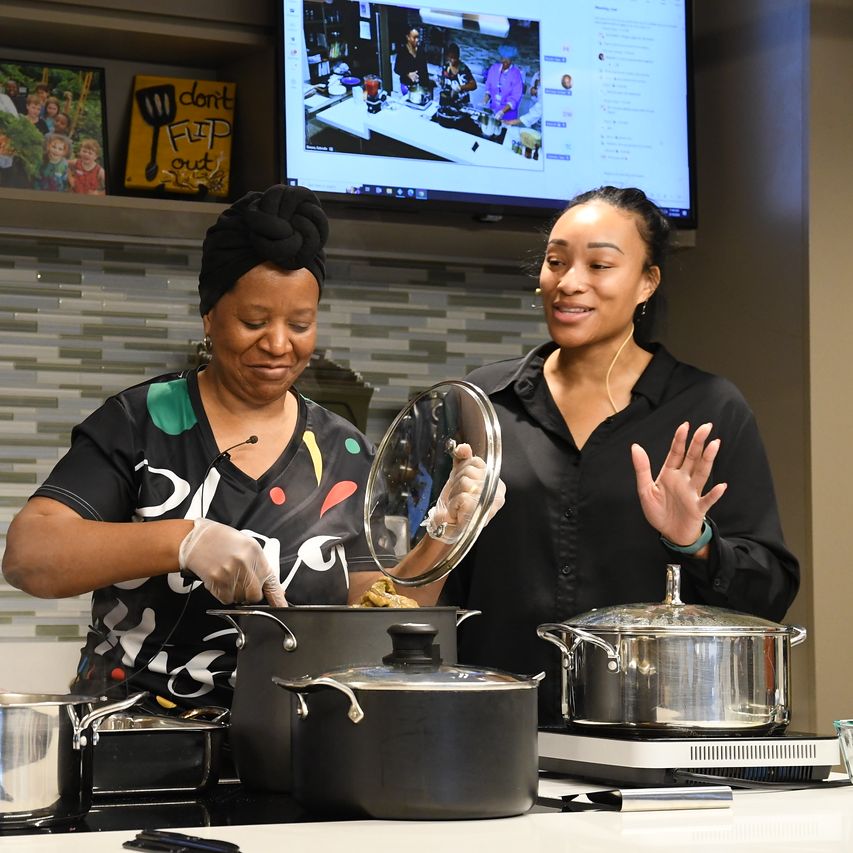
Last week, The Teaching Kitchen and the DEI Nursing Council teamed up to celebrate Black History Month through food, with guest instructor and BMC nurse Nneka Nwokeji. Nneka shared her passion for cooking and family tradition as she demonstrated how to make Nigerian Jollof Rice, highlighting how food reflects culture, history, and community.
Missed the event? You can still try Nneka’s recipe at home: Nigerian Jollof Rice and Chicken.
|
|
|
|
|
|
Caring Across Cultures: Teaching Kitchen Nigerian Jollof Rice Demo
|
|
Last week, The Teaching Kitchen and the DEI Nursing Council teamed up to celebrate Black History Month through food, with guest instructor and BMC nurse Nneka Nwokeji. Nneka shared her passion for cooking and family tradition as she demonstrated how to make Nigerian Jollof Rice, highlighting how food reflects culture, history, and community.
Missed the event? You can still try Nneka’s recipe at home: Nigerian Jollof Rice and Chicken.
|
|
|
|
|
|
Black Healing Space Restorative Gathering Recap
|
|
On Wednesday, February 11, 2026, BMC sponsored and attended an in-person Black Healing Space restorative gathering at Twelfth Baptist Church. The event, hosted by Heal Your Love Period during Black History Month, created space for reflection, rest, and connection within the Black community.
Several patients participated in the evening’s activities, and BMC staff were present in support of the event. The gathering centered on guided breathwork, sound healing, and facilitator-led therapeutic activities designed to support emotional and spiritual well-being. A board-certified chaplain and other trained facilitators helped create a calm, welcoming environment where participants could pause, breathe, and reconnect with themselves and one another.
During Black History Month, moments of care and restoration can feel especially meaningful. This event offered space to step away from daily stress, be in community, and focus on healing in ways that honor resilience and collective well-being. Explore Highlights From the Event.
|
|
|
|
|
|
Black Healing Space Restorative Gathering Recap
|
|
On Wednesday, February 11, 2026, BMC sponsored and attended an in-person Black Healing Space restorative gathering at Twelfth Baptist Church. The event, hosted by Heal Your Love Period during Black History Month, created space for reflection, rest, and connection within the Black community.
Several patients participated in the evening’s activities, and BMC staff were present in support of the event. The gathering centered on guided breathwork, sound healing, and facilitator-led therapeutic activities designed to support emotional and spiritual well-being. A board-certified chaplain and other trained facilitators helped create a calm, welcoming environment where participants could pause, breathe, and reconnect with themselves and one another.
During Black History Month, moments of care and restoration can feel especially meaningful. This event offered space to step away from daily stress, be in community, and focus on healing in ways that honor resilience and collective well-being. Explore Highlights From the Event.
|
|
|
|
|
|
|
|
|
|
|
BMC Recognized by Becker’s Healthcare for Excellence in Heart Care |
|
We're #BMCProud to be named one of Becker's Healthcare's 100 hospitals and health systems with great heart programs. Our Cardiovascular Center is a leader in providing advanced, comprehensive care for a wide range of heart and vascular conditions.
With state-of-the-art diagnostic tools, innovative therapies, and medically supervised programs focused on exercise and lifestyle modification, the Center is committed to helping patients reduce their risk of heart disease and improve their overall cardiovascular health. Read About the Award and Our Excellent Heart Care.
|
|
|
|
BMC Recognized by Becker’s Healthcare for Excellence in Heart Care |
|
We're #BMCProud to be named one of Becker's Healthcare's 100 hospitals and health systems with great heart programs. Our Cardiovascular Center is a leader in providing advanced, comprehensive care for a wide range of heart and vascular conditions.
With state-of-the-art diagnostic tools, innovative therapies, and medically supervised programs focused on exercise and lifestyle modification, the Center is committed to helping patients reduce their risk of heart disease and improve their overall cardiovascular health. Read About the Award and Our Excellent Heart Care.
|
|
|
|
BMC Named One of America’s Greatest Workplaces for Women |
|
Boston Medical Center has been named one of America’s Greatest Workplaces for Women 2026 by Newsweek.
This ranking draws on a nationwide survey of over 89,000 female employees as well as key performance metrics such as gender equality, fairness, and inclusion.
With 75% of our employees being women, BMC is committed to creating an equitable workplace and supporting women in leadership roles. By championing gender equity, we enhance our world-class patient care through more inclusive decision-making and a deeper understanding of diverse patient needs. Check Us Out On Newsweek.
|
|
|
|
BMC Named One of America’s Greatest Workplaces for Women |
|
Boston Medical Center has been named one of America’s Greatest Workplaces for Women 2026 by Newsweek.
This ranking draws on a nationwide survey of over 89,000 female employees as well as key performance metrics such as gender equality, fairness, and inclusion.
With 75% of our employees being women, BMC is committed to creating an equitable workplace and supporting women in leadership roles. By championing gender equity, we enhance our world-class patient care through more inclusive decision-making and a deeper understanding of diverse patient needs. Check us out on Newsweek. |
|
|
|
|
BMC In The News |
|
|
|
We’re excited to spotlight recent media coverage that features BMC experts sharing insights on timely health topics. From national outlets to local platforms, these stories reflect our commitment to improving care, advancing equity, and supporting our patients and communities every step of the way. |
|
|
|
|
Heart Health and Snow Shoveling Risks
|
|
As winter weather continues, Boston Medical Center experts are reminding the public to take precautions when shoveling snow, especially for people with heart conditions.
In a recent interview with the Boston.com, Dr. Claudia Hochberg, an interventional cardiologist at BMC, explained why shoveling can place extra strain on the heart compared to other forms of physical activity.
“Shoveling is mostly upper-arm work, which is a little bit more taxing than and demanding on the heart than leg work is,” Hochberg said. “We tell all our patients who have pre-existing heart disease not to shovel.”
Dr. Hochberg also highlighted warning signs people should pay close attention to while shoveling. Symptoms to watch out for include chest pain or pressure, arm pain, excessive sweatiness, shortness of breath, and nausea. Read The Full Article. |
|
|
|
Heart Health and Snow Shoveling Risks
|
|
As winter weather continues, Boston Medical Center experts are reminding the public to take precautions when shoveling snow, especially for people with heart conditions.
In a recent interview with the Boston.com, Dr. Claudia Hochberg, an interventional cardiologist at BMC, explained why shoveling can place extra strain on the heart compared to other forms of physical activity.
“Shoveling is mostly upper-arm work, which is a little bit more taxing than and demanding on the heart than leg work is,” Hochberg said. “We tell all our patients who have pre-existing heart disease not to shovel.”
Dr. Hochberg also highlighted warning signs people should pay close attention to while shoveling. Symptoms to watch out for include chest pain or pressure, arm pain, excessive sweatiness, shortness of breath, and nausea. Read The Full Article |
|
|
|
|
|
“I was told about my condition by the provider in such a way that I now feel I understand my condition and will make changes in my life so that I can live a healthy life. I felt like I was their only patient that day and could ask all the questions I needed without feeling rushed or anxious. I will live a longer, healthier life, and that’s absolutely because of the care I received.” - BMC Cardiology Patient |
|
|
|
“I was told about my condition by the provider in such a way that I now feel I understand my condition and will make changes in my life so that I can live a healthy life. I felt like I was their only patient that day and could ask all the questions I needed without feeling rushed or anxious. I will live a longer, healthier life, and that’s absolutely because of the care I received.” - BMC Cardiology Patient |
|
|
|
“In Your Words” features patient comments from patient experience outreach surveys. We appreciate your time completing these surveys and for sharing your thoughts with us. The information gathered in these surveys is used to learn where we can improve, to continue to provide exceptional care to all. |
|
|
|
|




 Find a Doctor
 Visitor Information
 Code of Conduct
 Make an Appointment


